

Vestibular Neuritis Workbook: Vestibular rehabilitation therapy (VRT) workbook for persistent dizziness after vestibular neuritis. Daily exercises to ... reduce symptoms, and return to normal life
Product details
| Management number | 237269881 | Release Date | 2026/07/10 | List Price | US$4.19 | Model Number | 237269881 | ||
|---|---|---|---|---|---|---|---|---|---|
| Category | |||||||||
You survived the acute vertigo – the spinning, the nausea, the terror. But weeks or months later, you still feel unsteady. Your head still feels foggy. You avoid turning quickly, looking up, walking in the dark, or going to busy stores. Your doctors say the inflammation has healed. So why do you still feel dizzy?This is the hidden aftermath of vestibular neuritis. The damage to your inner ear nerve is gone, but your brain has learned a faulty pattern. It stopped trusting the signals from your affected ear. It started relying too much on your eyes and muscles. That pattern became a habit – and habits can be unlearned.This workbook gives you the tools to retrain your brain. It is based on vestibular rehabilitation therapy (VRT), the most effective non‑invasive treatment for persistent dizziness after vestibular neuritis. You do not need special equipment. You do not need a therapist (though you can use this workbook alongside one). You need a safe space, a few minutes each day, and the willingness to feel temporarily worse before you feel better.What you will learnWhy the dizziness lingers after the nerve heals – and why it is not "all in your head."How to perform gaze stabilization exercises to restore clear vision when you move your head.Habituation techniques to reduce your brain's oversensitivity to specific head movements.Balance and walking exercises to stand steady and walk confidently without holding onto walls.A weekly plan that combines all three exercise families at beginner, intermediate, and advanced levels.How to manage setbacks and relapses without falling back into old patterns of avoidance.A graded plan to return to driving, work, exercise, shopping, and social life – step by step.What makes this workbook differentMost medical brochures tell you what vestibular neuritis is, but not what to do about it. Most VRT handouts are a single page of scribbled instructions. This workbook is a complete, self‑guided program. It is written in plain, compassionate language – not academic jargon. You will find detailed instructions, daily logs, troubleshooting advice, and a relapse prevention plan.Who this workbook is forAdults recovering from vestibular neuritis (vestibular neuronitis) who still have persistent dizziness, unsteadiness, or head movement sensitivity.Patients diagnosed with chronic subjective dizziness or persistent postural‑perceptual dizziness (PPPD) following an acute vestibular event.Vestibular therapists, physiotherapists, and occupational therapists looking for a patient‑friendly resource.Anyone who has been told "the inflammation is gone, but the dizziness may take time" – and wants to actively participate in their recovery.What you will needA safe, open space with a soft floor or mat.A chair with a backrest.A wall or counter to hold onto for balance exercises.A timer or stopwatch.A notebook to track your progress.Ten to fifteen minutes of practice each day.Important noteThis workbook is not a substitute for medical care. Before starting, you must have a confirmed diagnosis of vestibular neuritis from a doctor. If your dizziness changes suddenly or becomes much worse, see your physician. Do not use this workbook if you have other causes of dizziness such as BPPV (positional vertigo), Meniere's disease, or a neurological condition without medical clearance. Read more
| ASIN | B0H2YDCPXC |
|---|---|
| ISBN13 | 979-8198620476 |
| Language | English |
| Publisher | Independently published |
| Dimensions | 8.5 x 0.28 x 11 inches |
| Item Weight | 13.4 ounces |
| Print length | 122 pages |
| Publication date | May 25, 2026 |
Bestseller ranking
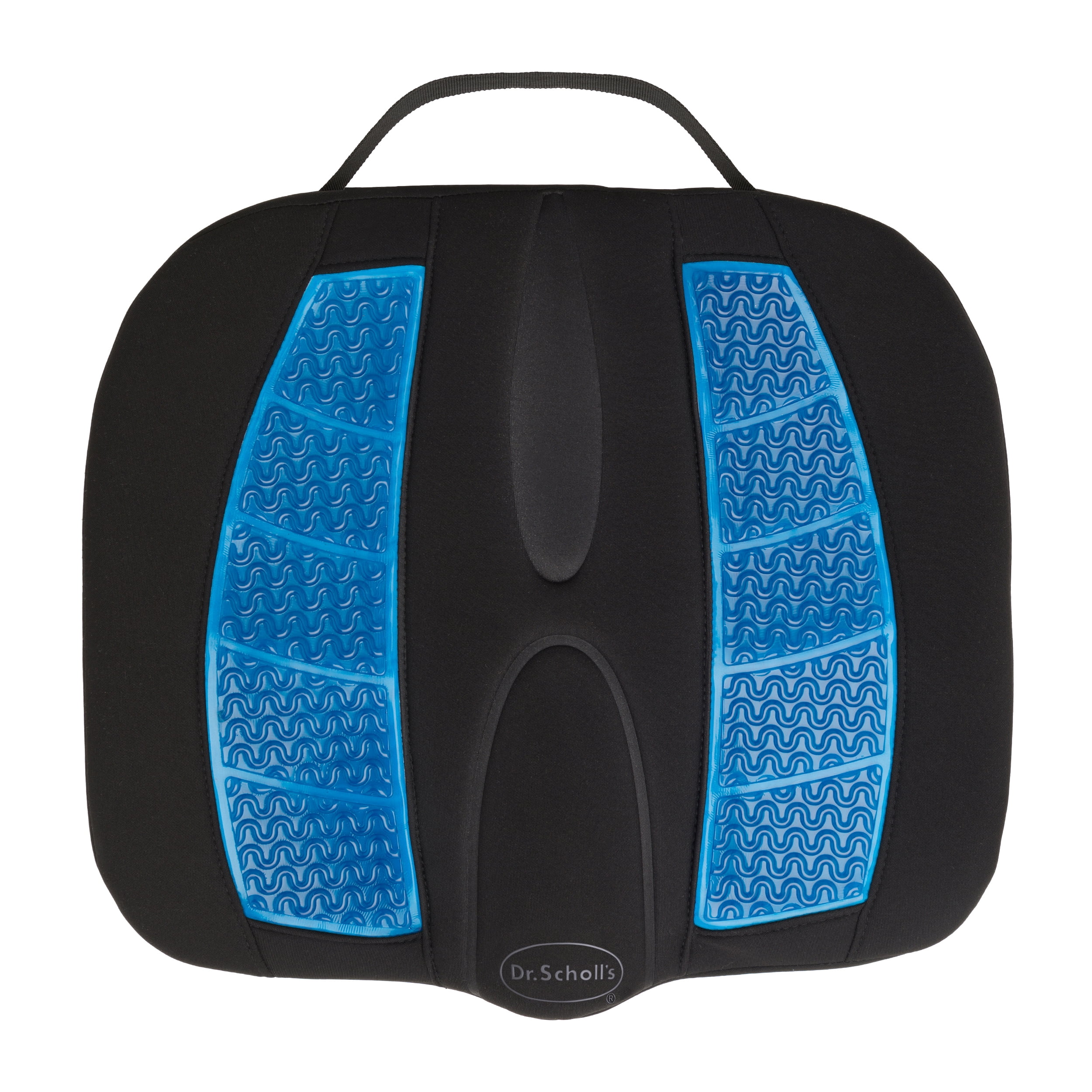
Dr. Scholl's Car Seat Cushions
Customers who viewed this product also viewed
Physical Medicine & Rehabilitation


Correction of product information
If you notice any omissions or errors in the product information on this page, please use the correction request form below.
Correction Request Form